A Student Portfolio Is Not a Certificate Folder
A useful school portfolio shows decisions, drafts, projects, reflection and growth. A folder of participation certificates proves much less than most people think.
Research note: time-sensitive claims and source links were reviewed on . Primary sources are listed at the end of the article where available.
Imagine two Class XI students applying for the same summer opportunity. One opens a folder containing twenty certificates. The other opens three projects: a survey with raw questions and analysis, a community campaign with before-and-after revisions, and a small prototype with a note explaining what failed. The second portfolio may contain fewer items, but it tells a much richer story.
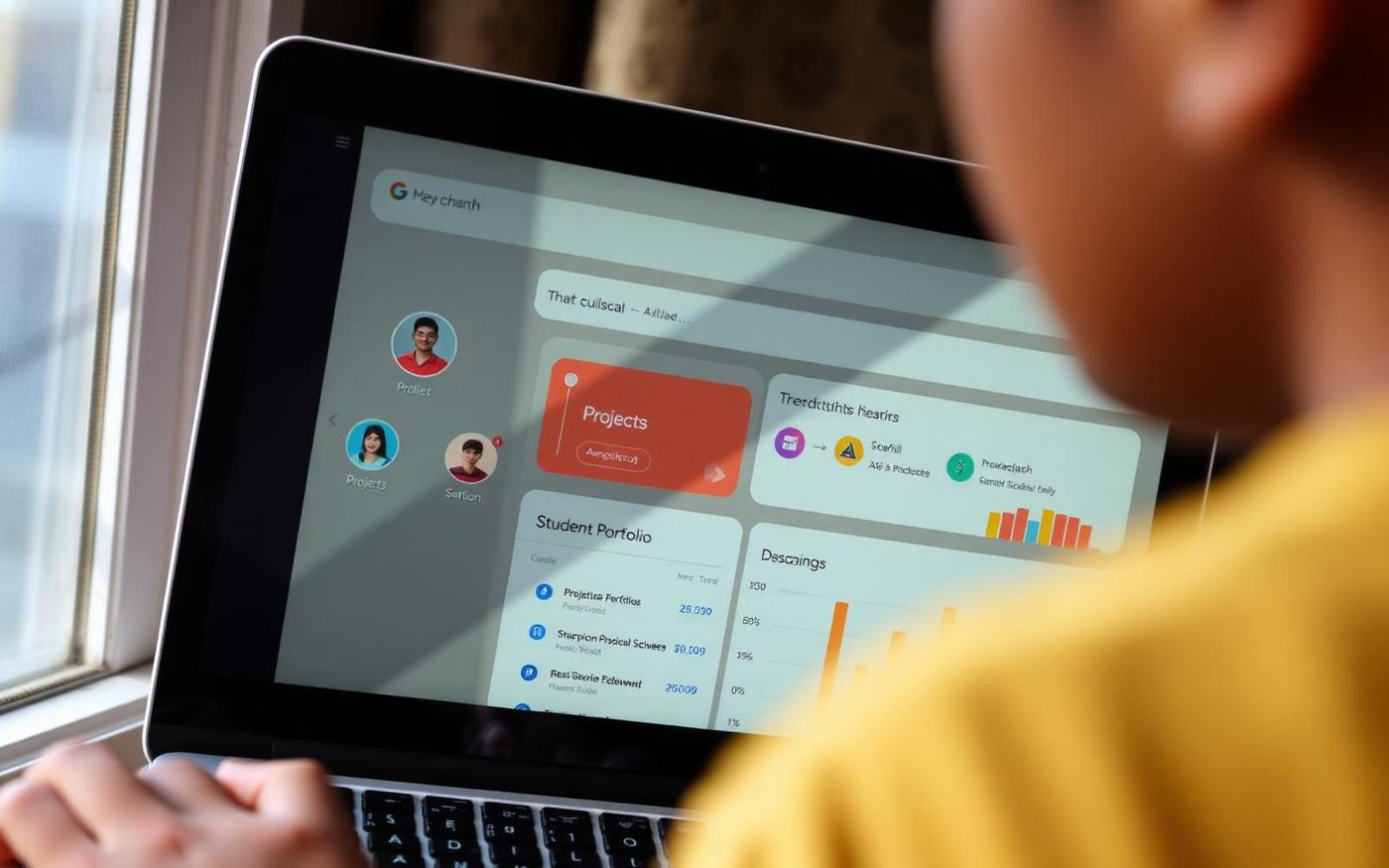
CBSE's Holistic Progress Card framework explicitly includes portfolios, projects, self-assessment and other evidence beyond written tests. The important idea is not the software used to store the work. It is that progress becomes inspectable.
What belongs in a strong school portfolio
- A small number of completed projects with clear context.
- Drafts or revisions that show how the work improved.
- A short explanation of the student's role in team work.
- Feedback received and what changed because of it.
- Reflection on difficulty, trade-offs and next steps.
- Evidence of communication: presentations, writing, demonstrations or interviews.
What usually adds less value than people expect
Certificates can be useful context, especially when they represent selective achievement or substantial work. But participation alone rarely tells a reviewer what the student can do. A school should avoid turning portfolio-building into a race to collect logos.
The portfolio should become a learning tool before it becomes a marketing asset
The strongest moment is not when a student uploads an artefact. It is when they review it and can answer: What did I try? What changed? What would I do differently? Which part was actually mine? That reflection turns output into evidence of learning.
"A portfolio should help a student point to work and explain what it reveals about them."
A simple three-item rule for schools starting from zero
Do not ask every student to upload everything. Start with three meaningful artefacts per year: one individual project, one collaborative project and one piece the student substantially revised after feedback. Require a short reflection for each. That is enough to begin building a credible longitudinal record without creating an administrative burden.
What a principal should look for in a portfolio system
A portfolio programme succeeds or fails on routine. Ask who selects artefacts, how often students reflect, who reviews the work and whether teachers can use the evidence without doubling their administrative load. If the answer is 'students upload things whenever they remember,' the school has storage rather than a portfolio system.
A good system also makes quality visible to parents without turning the portfolio into a public performance. Schools can share selected artefacts during student-led conferences, explain the rubric behind a project and show progression over time. That is more persuasive than a dashboard full of unexplained percentages.
How the portfolio can support career guidance
Career conversations become better when the counsellor can ask about real work. A student who says they are interested in entrepreneurship may have a project that shows customer interviews and budgeting. A student considering design may have iterations that reveal patience with visual problem solving. The portfolio does not determine the career; it gives the conversation evidence.
- Ask what the student chose to include and why.
- Ask which artefact best shows improvement rather than highest performance.
- Ask what kind of work the student wants to try next.
- Use gaps in the portfolio as prompts for new experiences, not as deficits to shame.
The portfolio should get harder to fake as the student grows
By senior secondary, require more ownership evidence: project briefs, source notes, mentor feedback, role statements and live explanation. A polished artefact can be copied; a coherent trail of decisions is much harder to imitate. This matters even more as generative AI can produce sophisticated-looking outputs quickly.
For schools, that trail becomes a stronger parent and admissions story. Instead of saying students 'build portfolios', the school can show how evidence becomes richer from Grade IX to XII while keeping individual student data private unless there is permission to share.
Sources and further reading
Want to test this in your school?
OnliGrow is being built to turn these ideas into a structured school program. A useful pilot starts with your context, not a standard promise.
Discuss a pilot