
Gurugram's Experiential AI Push: Why Classes 8-12 Are Getting More Hands-On
Gurugram's school-facing AI activity includes hands-on university programmes and career outreach. The useful signal is a shift from hearing about technology to building and testing with it.

Research note: time-sensitive claims and source links were reviewed on . Primary sources are listed at the end of the article where available.
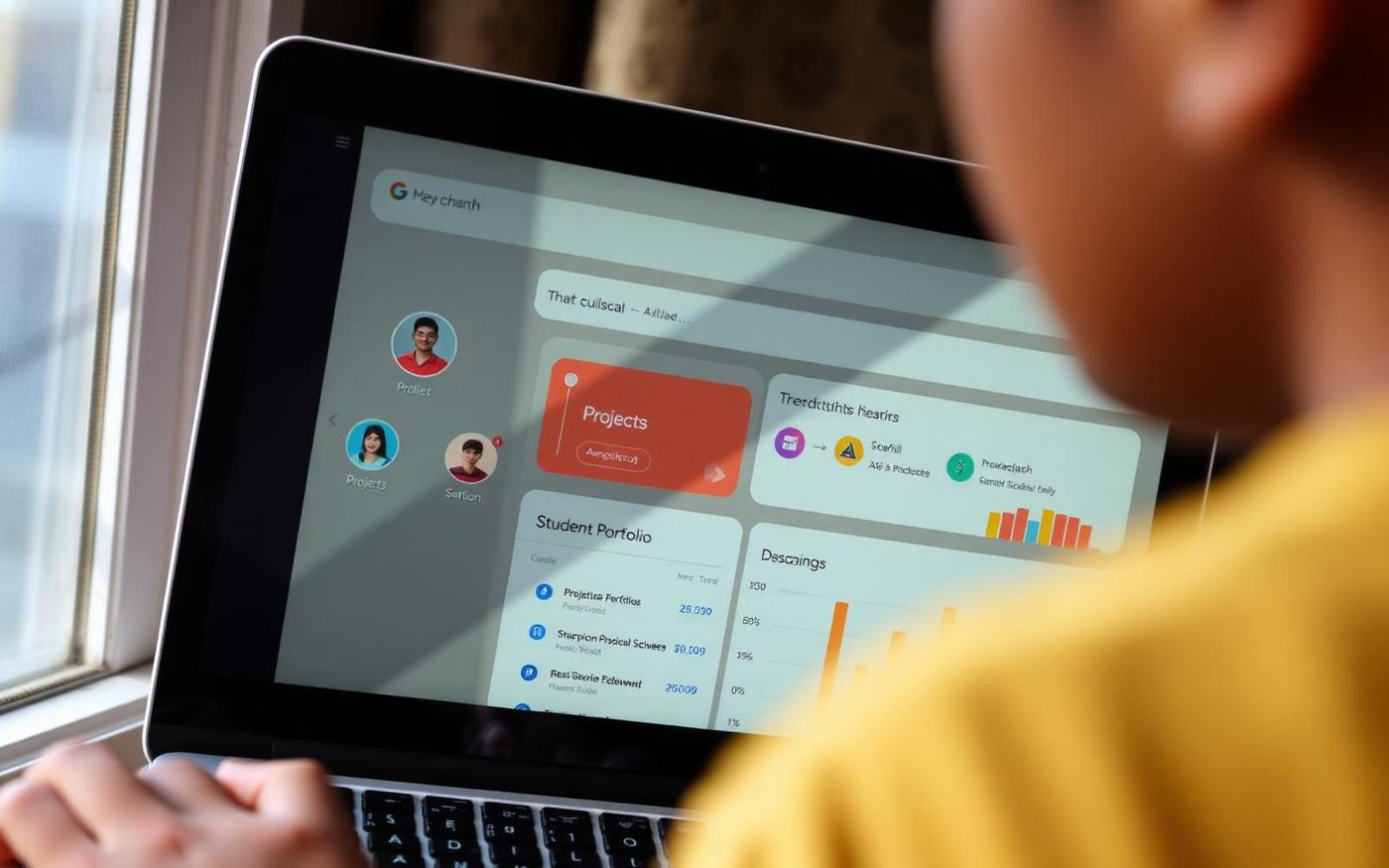
In Gurugram, the idea of a 'future career' can feel unusually close. Technology companies, start-ups, universities and professional services are visible in everyday life. That proximity creates opportunity — and hype. Students need experiences that help them understand what the work actually demands.
IILM University's AI Summer School 2.0 in June 2026 targeted Classes 8-12 with hands-on work in AI, design thinking, robotics, AR/VR and innovation, culminating in student challenges and showcases. ICAI's 2026 event log also shows repeated career-counselling programmes in Gurugram-area schools. These are examples of a wider movement toward exposure plus application.
Hands-on matters because career labels are too broad
A student may say 'I want to work in AI' without knowing whether they enjoy coding, data work, product design, research, communication, ethics or business application. A project forces the interest to become more specific.
The school opportunity is to connect three ecosystems
- Curriculum: concepts and skills students are expected to learn.
- Industry and university exposure: people, problems and facilities students would not normally access.
- Portfolio evidence: what students build, test and reflect on after the exposure.
Do not market exposure as mastery
A four-day programme can be valuable, but it should be described as exposure and project experience, not proof that a student is an AI expert. Credible schools make the next step clear: what the learner should study, build or investigate after the event.
Gurugram's corporate proximity can distort expectations too
When students regularly hear about start-ups, product roles and technology careers, it is easy to mistake visibility for fit. Experiential learning helps because students encounter the less glamorous parts of innovation: ambiguity, failed prototypes, user feedback, documentation and teamwork. Those experiences make career interest more informed.
Schools can use the local employer ecosystem without turning every interaction into recruitment. Ask professionals to bring a real problem, critique student work or explain a decision they made at work. A one-hour problem clinic can reveal more about a profession than a motivational biography.
What a Gurugram school could build over one year
- Term 1: AI and technology exposure with responsible-use foundations.
- Term 2: a small interdisciplinary project with an external mentor checkpoint.
- Term 3: career-domain conversations tied to the skills students used in the project.
- Year-end: portfolio reflection showing what each student learned about both the technology and themselves.
For marketing, that journey is stronger than saying 'students attended an AI summer programme.' It shows continuity, student agency and visible work — the things parents and school leaders can inspect.
Local corporate access can become a mentorship system
Rather than arranging random guest speakers, a Gurugram school could build a small mentor bank by domain and grade. Mentors do not need to meet students weekly. They can review one project brief, answer a prepared set of career questions or judge a final showcase. The school owns the educational structure while the professional adds reality.
That creates a strong future content asset too: anonymised 'what professionals told our students' insights, permissioned mentor interviews and project lessons. These are more likely to earn genuine shares and links than another generic page targeting the phrase 'career counselling Gurugram.'
Sources and further reading
Want to test this in your school?
OnliGrow is being built to turn these ideas into a structured school program. A useful pilot starts with your context, not a standard promise.
Discuss a pilot